How School Builds Strong Foundations for Lifelong Learning
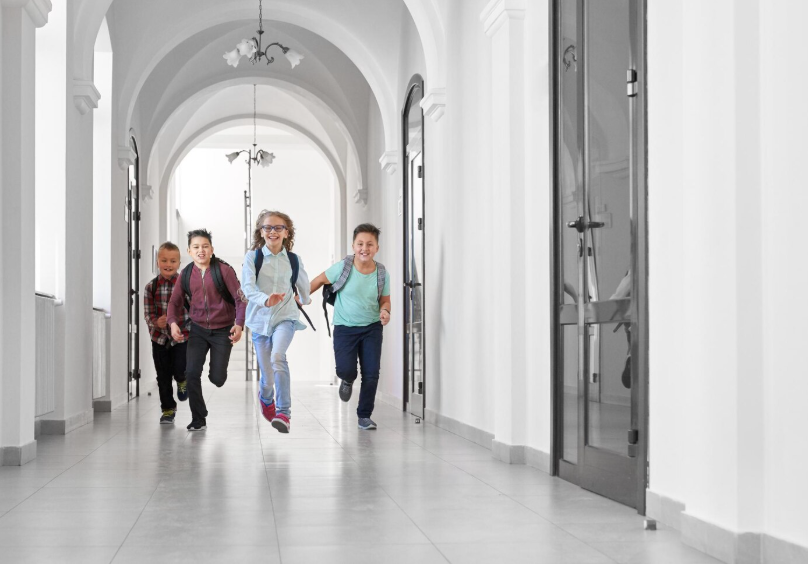
School plays a central role in shaping the knowledge, values, and skills that individuals carry throughout their lives. It provides a structured environment where students develop academic understanding as well as social and emotional abilities. Early learning experiences help children build confidence, curiosity, and a sense of responsibility. Through daily interactions with teachers and peers, learners begin to understand the importance of effort, cooperation, and respect for others. These early foundations influence how individuals approach challenges and opportunities later in life.
Creating a Supportive Learning Environment
A supportive learning environment encourages students to explore ideas and express themselves freely. When learners feel safe and respected, they are more likely to participate actively in classroom activities. Teachers play a vital role in creating this atmosphere by promoting inclusivity and encouraging open communication. Positive relationships between educators and students help build trust and motivation. A nurturing environment supports emotional wellbeing and allows students to focus on learning without fear of judgment or failure.
Developing Essential Skills
Beyond academic subjects, school helps students develop essential life skills. Communication, teamwork, and problem solving are practiced through group projects and classroom discussions. Time management and responsibility are reinforced through assignments and schedules. These skills prepare learners for future academic pursuits and professional environments. By engaging in diverse activities, students learn to adapt to different situations and develop resilience. The ability to collaborate and think critically becomes increasingly important as individuals face complex challenges in later stages of life.
Encouraging Curiosity and Creativity
Learning thrives when curiosity and creativity are encouraged. School environments that support exploration help students discover their interests and talents. Creative activities such as art, music, and storytelling allow learners to express themselves in unique ways. Curiosity driven learning fosters a love for discovery and motivates students to seek knowledge beyond textbooks. When creativity is valued, students gain confidence in their ideas and become more willing to experiment and learn from mistakes. This mindset nurtures innovation and lifelong enthusiasm for learning.
Building Social Awareness and Values
Interacting with peers from diverse backgrounds helps students develop social awareness and empathy. Daily experiences in the classroom teach respect, cooperation, and understanding of different perspectives. These interactions promote tolerance and help learners appreciate diversity. School also plays a role in teaching values such as honesty, responsibility, and fairness. By practicing these principles in everyday situations, students develop a strong moral foundation that guides their behavior in personal and professional relationships.
Supporting Personal Growth
Personal growth is an important outcome of the learning journey. Students face challenges that test their abilities and encourage self reflection. Overcoming difficulties builds confidence and perseverance. Teachers and mentors provide guidance that helps learners recognize their strengths and areas for improvement. Feedback and encouragement motivate students to set goals and strive for continuous improvement. This process of growth fosters independence and a sense of ownership over personal development.
Preparing for Future Opportunities
The experiences gained during school prepare individuals for future opportunities and responsibilities. Academic knowledge combined with practical skills creates a strong base for higher education and career paths. Exposure to different subjects and activities helps students identify interests that may shape their future choices. Guidance and mentorship support informed decision making and goal setting. By developing a balanced set of skills and values, learners are better equipped to navigate the demands of adulthood and contribute positively to society.
In conclusion, school plays a vital role in building strong foundations for lifelong learning and personal development. Through supportive environments, skill development, creativity, social awareness, and personal growth, learners gain the tools needed to succeed in various aspects of life. The lessons learned during these formative years continue to influence attitudes, choices, and achievements long after formal education has ended.