Higher Education: Shaping the Future of Knowledge and Innovation
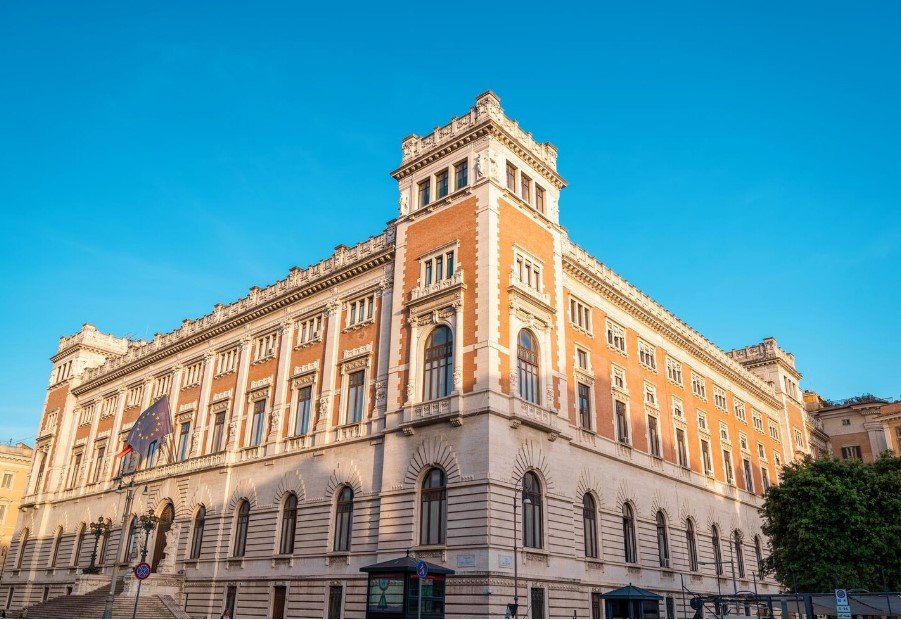
Higher education has long been regarded as a gateway to personal and professional development, providing individuals with the skills, knowledge, and credentials needed to thrive in an increasingly complex and competitive world. Whether through universities, colleges, or vocational institutions, higher education plays a pivotal role in shaping the workforce, advancing research, and fostering innovation.
In this blog, we’ll explore the importance of higher education, the benefits it offers, and the evolving landscape of education at the post-secondary level.
What is Higher Education?
Higher education refers to the stage of learning that occurs after the completion of secondary school. It encompasses various forms of post-secondary education, including undergraduate, graduate, and professional programs offered by universities, colleges, technical schools, and online institutions.
Higher education is typically focused on advancing specialized knowledge in a particular field, preparing students for careers that require in-depth expertise. Programs offered can lead to bachelor’s degrees, master’s degrees, doctorates, and certifications in fields ranging from humanities and science to engineering, law, and healthcare.
The Importance of Higher Education
The value of higher education extends beyond just gaining knowledge in a specific area. It equips individuals with the tools and mindset needed to navigate complex challenges in the professional world and society at large. Here are some key reasons why higher education is important:
Developing Critical Thinking and Problem-Solving Skills
Higher education emphasizes the development of critical thinking, analytical reasoning, and problem-solving skills, which are essential for success in any career. College students are often tasked with solving complex, real-world problems, which helps them develop the ability to think critically, approach challenges methodically, and find innovative solutions.
By encouraging students to question assumptions, analyze different perspectives, and engage with diverse ideas, higher education fosters intellectual growth and curiosity that extends far beyond the classroom.
Preparing for Career Opportunities
Higher education is a key pathway to career advancement. Many professions—such as medicine, engineering, law, and teaching—require specific degrees or certifications. Earning a degree not only provides students with specialized knowledge but also opens the door to better job prospects and higher earning potential.
In today’s job market, a college degree is often a requirement for most positions that offer long-term stability and growth. Additionally, higher education allows individuals to network with peers, professors, and industry professionals, which can lead to valuable career connections and job opportunities.
Promoting Personal Growth and Development
In addition to academic and professional development, higher education fosters personal growth. College is often a time of self-discovery, where students explore their interests, values, and passions. It offers a unique environment for individuals to develop a sense of identity, gain independence, and cultivate interpersonal skills.
Higher education encourages students to engage with diverse ideas, cultures, and backgrounds, helping them develop a broader perspective and a deeper understanding of the world. It also provides opportunities to participate in extracurricular activities, internships, volunteer work, and study abroad programs, all of which contribute to personal development.
Contributing to Economic and Social Development
Higher education plays a significant role in economic growth and social development. Well-educated individuals are more likely to contribute positively to society by driving innovation, advancing technology, and supporting community development. Universities and colleges are often at the forefront of research, producing breakthroughs that can transform industries and improve quality of life.
Moreover, higher education helps individuals develop skills that can lead to greater social mobility. For many, earning a degree is a stepping stone toward improving their socioeconomic status and creating better opportunities for future generations.
The Benefits of Higher Education
Higher education offers a wide range of benefits that extend beyond academic knowledge. Some of the most notable advantages include:
Increased Earning Potential
One of the most widely recognized benefits of earning a higher education degree is the increased earning potential. According to numerous studies, individuals with a bachelor’s degree or higher tend to earn more over their lifetime than those with only a high school diploma. Graduate and professional degrees often lead to even higher salaries and more opportunities for advancement.
Job Security and Stability
Individuals with higher education credentials are often more likely to find stable, long-term employment. Many employers prioritize candidates with degrees in their hiring decisions, and many industries require specific educational qualifications for entry-level and advanced positions. With the rapid pace of change in the job market, higher education provides the skills and flexibility necessary to adapt to evolving industries and technological advancements.
Broader Career Options
A degree from a recognized institution can open doors to a variety of career opportunities. While some careers may require a specialized degree, many degrees offer a broader range of job options, allowing graduates to explore different fields, industries, and roles. Whether through internships, networking, or additional certifications, higher education equips individuals with the tools they need to pursue diverse career paths.
Networking Opportunities
One of the most valuable aspects of higher education is the opportunity to build a professional network. Universities and colleges provide students with access to a wealth of resources, including alumni networks, industry events, and internships. These connections can help students gain mentorship, job referrals, and insider knowledge that can give them a competitive edge in the job market.
Lifelong Learning
Higher education instills a habit of lifelong learning, encouraging individuals to continue expanding their knowledge and skills throughout their careers. In today’s fast-paced world, the ability to learn and adapt to new challenges is critical to long-term success. Graduates of higher education institutions are better equipped to pursue continuing education, certifications, and other opportunities for professional development.
Challenges in Higher Education
While higher education offers numerous benefits, it also comes with challenges that must be addressed to make education more equitable and accessible. Some of the most pressing issues include:
Rising Costs and Student Debt
The cost of higher education has been steadily increasing in many parts of the world, leading to significant financial burdens for students and their families. In some cases, the expense of tuition, fees, and living costs can result in large amounts of student debt, which can take years, if not decades, to pay off.
Efforts to make higher education more affordable, such as increasing financial aid, offering scholarships, and promoting low-cost educational options, are essential for ensuring that students from all backgrounds have access to the opportunities provided by a college education.
Access and Equity
Not all students have the same access to higher education, and disparities in access to quality education often exist along socioeconomic, racial, and geographic lines. Efforts must be made to ensure that higher education is accessible to individuals from diverse backgrounds, regardless of their financial situation, race, or location.
Additionally, many institutions must address issues related to diversity and inclusion, ensuring that students from all walks of life feel welcome and supported.
Shifting Workforce Demands
As the job market continues to evolve, there is growing concern that traditional college degrees may not always align with the needs of today’s workforce. Industries such as technology, healthcare, and manufacturing require specialized skills that may not be adequately addressed by a general college education. As a result, alternative education paths—such as technical certifications, coding boot camps, and vocational training—are gaining popularity as valuable alternatives to traditional degrees.
The Future of Higher Education
The future of higher education is shaped by several emerging trends and innovations:
- Online Learning: The rise of online education and hybrid learning models is transforming how students access and engage with educational content. With the growing demand for flexible learning options, universities and colleges are increasingly offering online degree programs, certifications, and courses.
- Personalized Learning: Advances in technology and artificial intelligence are making it possible for educators to create more personalized learning experiences, tailored to the needs, learning styles, and goals of individual students.
- Lifelong Education and Microcredentials: The future of higher education may involve more emphasis on lifelong learning and microcredentials, allowing individuals to continue developing their skills throughout their careers. Short-term certifications and online courses could complement traditional degrees, providing professionals with the opportunity to stay competitive in a rapidly changing job market.
Conclusion
Higher education remains a cornerstone of personal, professional, and societal advancement. Despite its challenges, the benefits it provides—from career opportunities to personal development—are unparalleled. As the landscape of higher education continues to evolve, it is essential to ensure that it remains accessible, affordable, and aligned with the needs of the modern world. Higher education equips individuals with the tools they need to succeed in their careers, contribute to society, and foster lifelong learning, making it an essential part of shaping a brighter future.