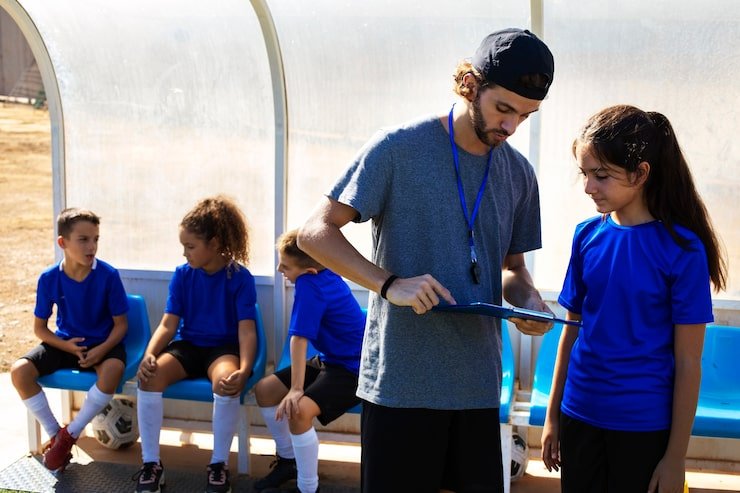
Chicago has a large and diverse education sector that creates opportunities for teachers with different areas of academic and professional training. Physical education remains an important part of school programs because it supports movement, fitness, teamwork, healthy habits, and student development. For people exploring physical education jobs Chicago, understanding the types of positions available, common qualifications, workplace settings, and career responsibilities can make the search more organized. Opportunities may exist in public schools, private schools, charter schools, community programs, colleges, recreational organizations, and other educational settings. Job availability can change frequently, so applicants should review current vacancies and carefully compare each position’s requirements before applying.
Understanding Physical Education Careers
Physical education teachers help students develop physical skills while introducing concepts related to fitness, movement, teamwork, and healthy lifestyles. Their responsibilities can vary depending on the school, grade level, curriculum, and student population.
Elementary physical education teachers may introduce basic movement skills and simple fitness activities. Middle school teachers may focus on developing athletic abilities, coordination, cooperation, and personal fitness habits. High school educators may provide more specialized activities while teaching students about physical wellness and lifelong fitness.
The role involves more than leading sports activities. Teachers also plan lessons, assess student progress, manage groups, maintain safe environments, communicate with families, and coordinate with other school staff.
Types of Physical Education Positions
People interested in this field can encounter several types of positions. Some jobs focus entirely on physical education, while others combine physical education with health instruction or another subject.
Common roles can include elementary physical education teacher, middle school physical education teacher, high school physical education teacher, health and physical education instructor, athletic program staff member, and activity coordinator.
Some organizations may also offer coaching opportunities alongside teaching positions. These roles can provide additional experience working with students and organizing sports activities.
The exact responsibilities depend on the employer and the position description, so applicants should review each vacancy carefully.
Public School Opportunities
Chicago’s public education system includes numerous schools serving students across different grade levels. Physical education teachers in public schools may work within established curriculum requirements and school policies.
Applicants for public school positions should pay close attention to certification and licensing requirements. Requirements can vary according to grade level, subject area, and the state or district regulations applicable to the position.
Public school roles may involve collaboration with other teachers, administrators, counselors, and support staff. Teachers can also participate in professional development and school-wide activities.
Because public school hiring processes can involve several stages, applicants should prepare their credentials and supporting documents before submitting applications.
Private and Charter Schools
Private and charter schools can provide additional opportunities for physical education professionals. These schools may have different hiring processes and educational approaches from traditional public schools.
Some schools may emphasize athletics, wellness, outdoor activities, or particular educational philosophies. Applicants can review each school’s curriculum and expectations to determine whether the position matches their experience.
Charter schools may also have specific requirements related to their educational programs. Candidates should read the full job description rather than assuming that all teaching positions have identical expectations.
College and Higher Education Opportunities
Physical education-related careers can extend beyond elementary and secondary schools. Colleges and universities may employ instructors, fitness professionals, recreation staff, athletic personnel, and educators in related fields.
Higher education positions may require additional academic qualifications or specialized experience. Some roles focus on teaching courses, while others involve recreation programs, student wellness, athletics, or campus activities.
Applicants interested in college-level work should examine the educational requirements and responsibilities associated with each position.
Qualifications for Physical Education Teachers
Educational requirements depend on the employer and position. School teaching roles commonly require an appropriate degree, teacher preparation, and applicable certification or licensure.
Candidates may also need practical teaching experience through student teaching, internships, or previous employment.
Additional qualifications can strengthen an application when they are relevant to the role. Examples may include coaching experience, first aid or CPR training, experience with adaptive physical education, and familiarity with different age groups.
Applicants should verify current requirements directly through the relevant employer or education authority because licensing rules can change.
Important Skills for the Role
Physical education teachers need a combination of teaching and organizational skills. Communication is important because educators must explain activities clearly and provide appropriate feedback.
Classroom and group management are also essential. Physical education often takes place in gyms, fields, playgrounds, or other active environments, making organization and safety particularly important.
Planning skills help teachers develop lessons that accommodate different abilities and fitness levels. Adaptability is useful when weather, facilities, student needs, or equipment availability affects a planned activity.
Teachers should also understand how to create inclusive activities so that students with different physical abilities can participate appropriately.
Responsibilities in Daily Work
A typical physical education teaching position can involve several responsibilities. Teachers may prepare lesson plans, organize equipment, introduce activities, supervise students, assess progress, and maintain records.
Safety is another important responsibility. Teachers need to establish appropriate rules and monitor activities to reduce avoidable risks.
They may also communicate with parents or guardians and participate in meetings with other school staff.
In some schools, physical education teachers may support extracurricular programs or school events. The exact workload depends on the institution and position.
The Importance of Inclusive Physical Education
Students have different physical abilities, interests, confidence levels, and learning needs. Effective physical education programs can provide opportunities for broad participation rather than focusing only on competitive athletics.
Teachers may modify activities, equipment, instructions, or group arrangements to accommodate students.
Adaptive physical education can be particularly important for students who require specific accommodations. Educators working in this area may need additional knowledge and training.
Creating an inclusive environment can help students participate more comfortably and develop positive attitudes toward physical activity.
Health and Wellness Education
Physical education is often connected with broader health education. Students can learn about fitness, nutrition, healthy habits, personal safety, and the importance of regular physical activity.
The balance between physical education and health instruction varies by school and curriculum.
Teachers who have experience in both areas may find positions that combine health and physical education responsibilities. Candidates should review job descriptions carefully to understand the expected teaching areas.
Chicago’s Educational Environment
Chicago has schools serving students from a wide range of backgrounds and communities. This diversity can create different instructional needs and opportunities.
Teachers working in the city may need to adapt lessons to different facilities, class sizes, student interests, and available resources.
Understanding the local educational environment can help applicants prepare for interviews and classroom responsibilities. Researching a school’s students, programs, facilities, and educational approach can also help candidates ask relevant questions during the hiring process.
Finding Current Job Openings
Job listings can change quickly. A position available today may close within a short period, while new vacancies can appear regularly.
Applicants can monitor school district career pages, individual school websites, education job boards, professional associations, and general employment platforms.
Searches can be narrowed by location, grade level, certification, employment type, and subject area.
When searching for recent openings, applicants should check the original posting date rather than relying only on search-engine summaries. This helps ensure that an application is submitted while the position is still active.
Preparing a Strong Application
A teaching application should clearly present the candidate’s education, certification, classroom experience, relevant skills, and professional background.
A resume should be easy to read and tailored to the position. Relevant experience such as student teaching, coaching, curriculum development, classroom management, and work with different student populations can be highlighted when appropriate.
Applicants should also review the job description for required qualifications and include accurate information that directly addresses those requirements.
A concise cover letter can explain why the candidate is interested in the position and how their background relates to the school’s needs.
Preparing for Interviews
Interviews for physical education positions may include questions about lesson planning, student engagement, safety, classroom management, inclusion, and assessment.
Candidates should be prepared to explain how they would adapt an activity for students with different skill levels.
They may also be asked about handling challenging classroom situations or maintaining student participation.
Preparing specific examples from previous teaching, training, coaching, or educational experiences can help candidates communicate their approach clearly.
Career Development
Physical education professionals can continue developing their careers through additional training, certifications, workshops, graduate study, coaching experience, and professional development.
Experience with specialized areas can open additional career possibilities. These may include adaptive physical education, health education, athletic administration, recreation, or wellness programs.
Career development can also help educators respond to changes in curriculum, technology, student needs, and instructional practices.
Conclusion
Physical education remains an important part of student development, and Chicago’s broad education sector can provide opportunities across public schools, private institutions, charter schools, higher education, and community programs. Candidates should consider their qualifications, preferred age group, teaching interests, and career goals when reviewing available positions. Because job postings and requirements can change frequently, applicants should verify current vacancies and qualifications before applying. Building strong teaching skills, maintaining appropriate credentials, developing knowledge of inclusive instruction, and preparing carefully for applications and interviews can help candidates navigate the physical education career field more effectively.
FAQs
What does a physical education teacher do?
A physical education teacher plans and delivers activities that help students develop movement skills, fitness knowledge, teamwork, and healthy physical activity habits.
What qualifications are usually needed?
Requirements vary, but school teaching positions commonly involve an appropriate degree, teacher preparation, and applicable certification or licensure.
Are there physical education jobs outside schools?
Yes. Related opportunities can exist in colleges, recreation programs, fitness organizations, community programs, athletics, and wellness settings.
Can physical education teachers also teach health?
Some positions combine health and physical education. Applicants should review each job description to determine the subjects included in the role.
Is coaching experience useful?
Coaching experience can provide relevant skills in leadership, activity organization, teamwork, communication, and working with students, although its importance depends on the position.
Where can applicants find Chicago teaching vacancies?
Applicants can check school district career pages, individual school websites, education-focused job boards, and general employment platforms for current opportunities.
Why should applicants check the posting date?
Job listings can close quickly. Checking the posting date helps applicants determine whether a vacancy is recent and potentially still accepting applications.
What skills are important for physical education teachers?
Communication, lesson planning, organization, group management, adaptability, safety awareness, and the ability to work with students with different abilities are important skills.
Can physical education teachers work with different age groups?
Yes. Opportunities can exist at elementary, middle, and high school levels, as well as in higher education and community programs.
How can candidates prepare for a physical education interview?
Candidates can review the school’s programs, prepare examples of teaching or coaching experience, and be ready to discuss lesson planning, student engagement, safety, inclusion, and classroom management.
Pingback: How to List Education on Resume: A Complete Guide for Job Seekers - Classroom Mindset